
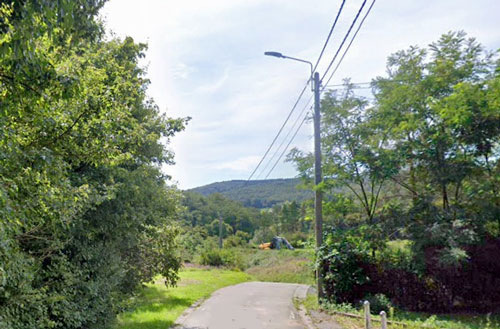
A project in Wallonia in Belgium has begun removing and turning off what it terms ‘pointless’ street lights in a bid to cut energy and light pollution and improve the environment for wildlife.
The municipality estimates that 6 per cent of the 8,000 streetlights in the Entre-Sambre-et-Meuse national park – a protected landscape of forests, rivers and wetlands near the French border – are ‘pointless’, meaning they are more than 50 metres from the nearest building and often on roads between villages where few people walk.
Additionally they are less than 50 metres from a Natura 2000 site, areas judged to be of the highest value to nature.
The national park has allocated £268,000 to restore night-time darkness, treating it as beneficial for nature in the same way as restoring a pond or a woodland. Already dozens of streetlights have been removed by the district’s electricity grid operators.
However, not all residents are convinced by the project with some feeling it could compromise safety.
‘We cannot say to an old lady we want to prioritise bats over you,’ project leader Nicolas Goethals told the Guardian newspaper. He emphasised that ensuring people’s safety is critical if the project is to be successful.
Goethals is working with colleagues across the border in France to extend darkness infrastructure into other parts of Europe. ‘Here is just the start – real darkness infrastructure will come off the back of this,’ he says.
Some of the electricity pylons – which were once a threat to wildlife – are now being retrofitted with a frame to support nesting by white storks. Back in 2011, it was relatively rare to spot a white stork, but in 2025 there were nearly 800 recorded sightings in the national park, with numbers increasing year on year.
‘It’s not right that lights are on all night long for everybody and not used. The normal should be darkness. It’s night-time!’ says Goethals. He suggests that if people want to walk on rural roads at night they should illuminate themselves with vests and torches.
• See more innovations in sustainable lighting at Circular Lighting Live 2026, Recolight’s flagship conference and exhibition, which takes place on Thursday 8 October 2026 at the Minster Building in the City of London. Free to specifiers, Circular Lighting Live 2026 will feature leading experts, specifiers and policy makers who will share their insights into forthcoming standards and legislation, emerging technologies and new business models. More info: www.circularlighting.live
