
A Swedish lighting start-up is replacing aluminium in LED luminaires with bio-based cellulose, cutting the carbon footprint of the material used to make the fitting.
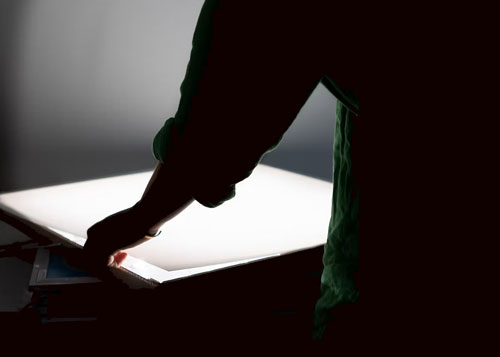
Lumine North has developed a recessed LED panel with a chassis made from bio-based cellulose rather than conventional aluminium and sheet metal.
The first installation was completed at a Nyfosa property in Sweden, where the new luminaire replaced traditionally manufactured fittings.
According to Lumine North, switching from aluminium to cellulose can reduce the associated carbon dioxide emissions by 95–99 per pent.
The company says the panels are manufactured in Värmland using biomaterials sourced from Swedish forests.
The cellulose construction also makes the fittings significantly lighter than conventional alternatives. An installer involved in the first project reported that the panels were easier to carry and handle on site.
The technology is designed to retain the performance expected from a conventional LED panel, including even light distribution and adjustable colour temperature.
Lumine North describes its approach as circular from the outset. Its aim is to replace fossil- and energy-intensive materials with renewable and recycled cellulose while developing fittings that can ultimately be recovered within a circular economy.
The company is now working on scaling the technology. A project supported by Swedish innovation agency Vinnova is developing automated production of the patented bio-based fittings, with the aim of creating a scalable manufacturing process and a new link between Sweden’s forestry and lighting industries.
The Vinnova project gives a more cautious estimate, targeting a reduction in climate impact of up to 70 per cent as production is scaled. Lumine North’s higher 95–99 per cnet figure relates specifically to the material shift from aluminium to bio-based cellulose, rather than the complete lifecycle of the luminaire.
The company says the technology could therefore offer an alternative to one of the most commonly used materials in luminaire construction.
For a lighting industry increasingly focused on embodied carbon, the significance is potentially considerable: rather than making aluminium luminaires more efficient or increasing their recycled content, Lumine North is asking whether the aluminium needs to be there at all.
• Learn more sustainable materials at a special session at Circular Lighting Live 2026, Recolight’s flagship conference and exhibition, which takes place on Thursday 8 October 2026 at the Minster Building in the City of London. Free to specifiers, Circular Lighting Live 2026 will feature leading experts, specifiers and policy makers who will share their insights into forthcoming standards and legislation, emerging technologies and new business models. More info: www.circularlighting.live
